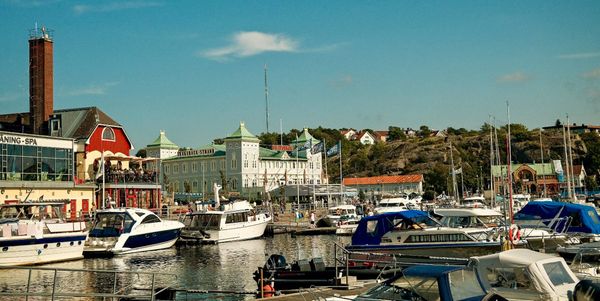

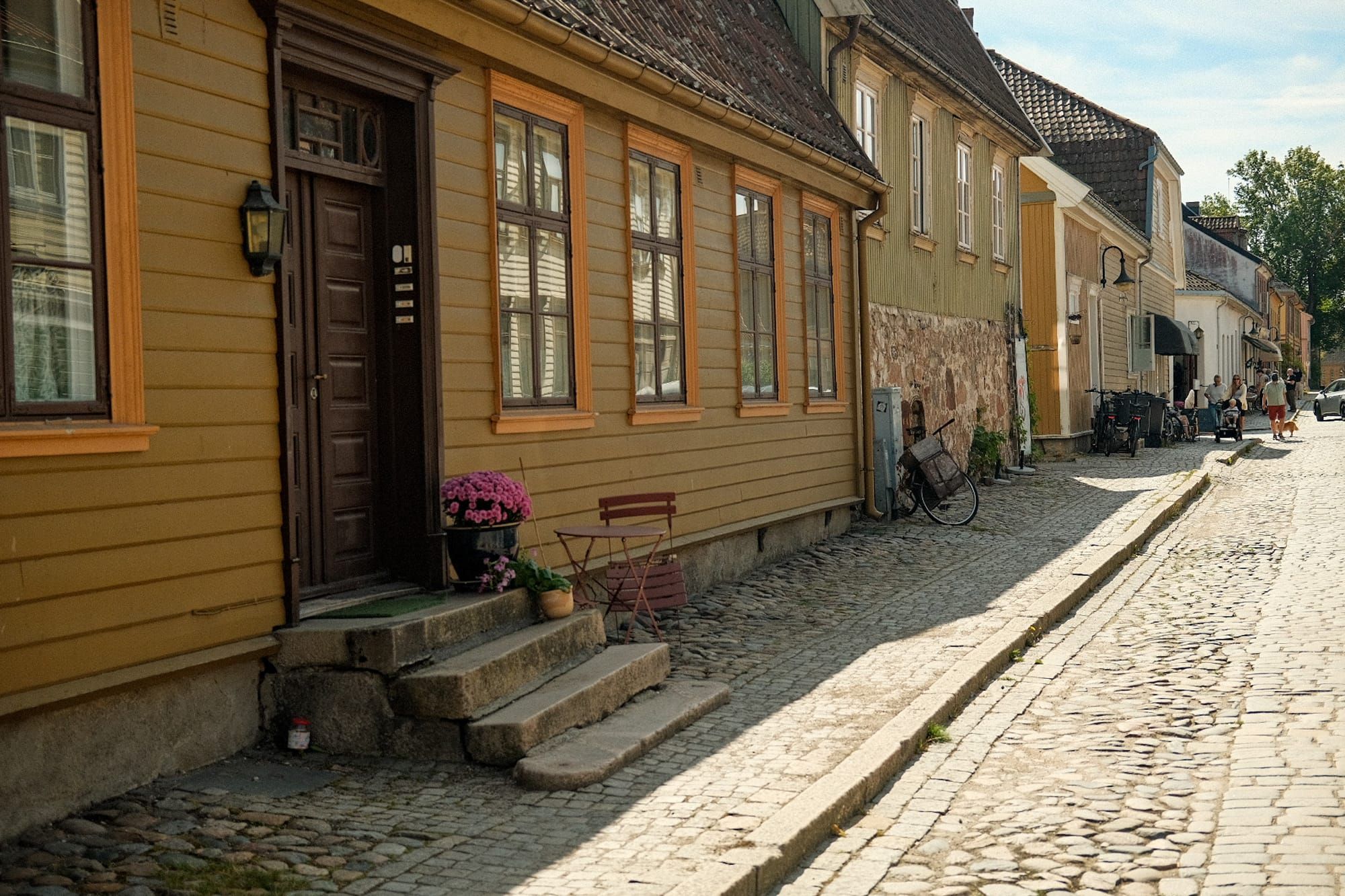

Old parts of cities are often fascinating places. Many of them contain several centuries of visible history, and there is something about the atmosphere of such places that is, in some peculiar way, calming. The surroundings seem to invite us to take things slowly. We are almost forced to lower our pace, reminded of earlier times when the general level of activity must have been somewhat different from our own. Just as parks can be described as the green lungs of a city, old and well-preserved districts can perhaps be thought of as breathing spaces for the soul.
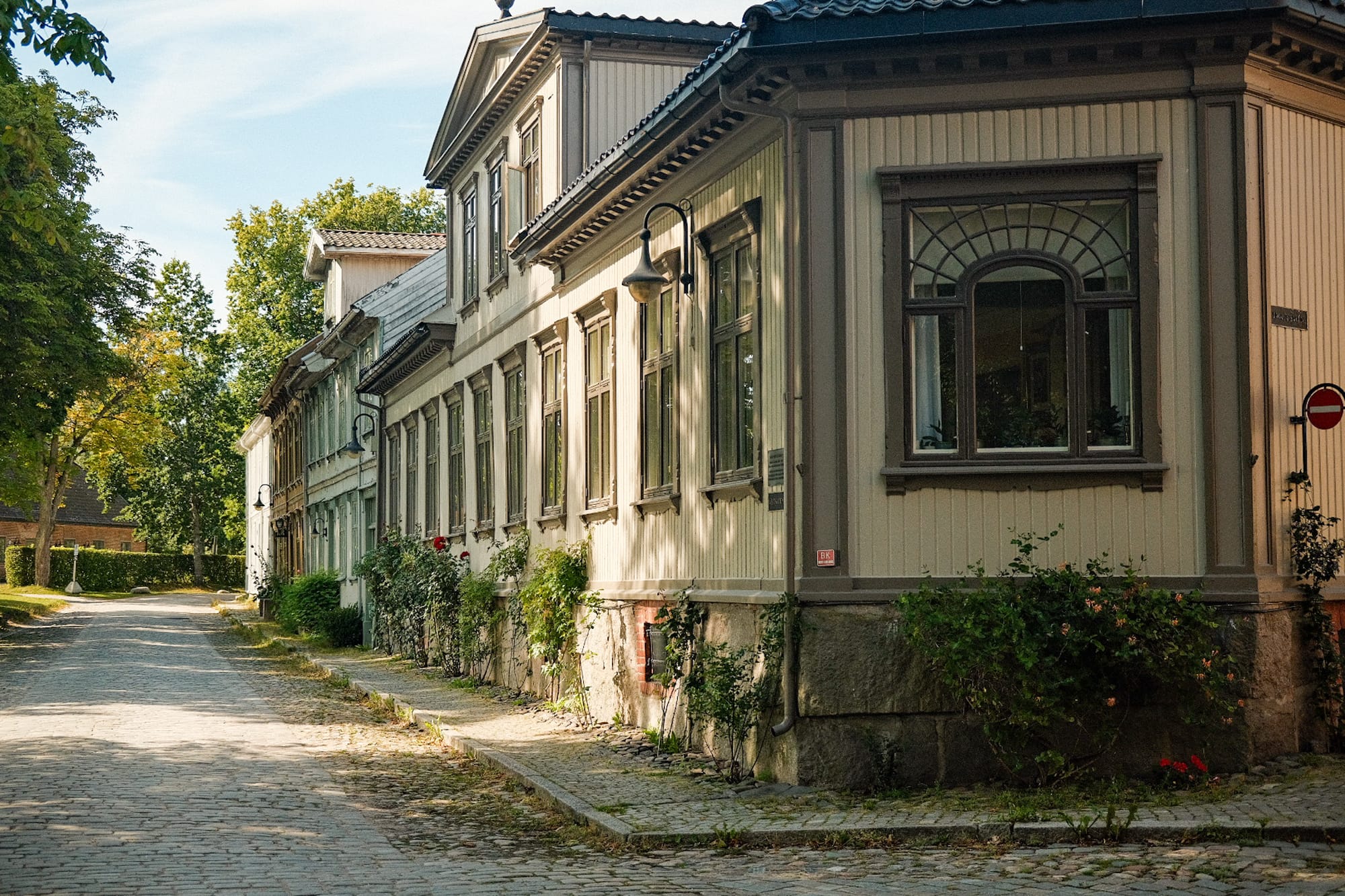
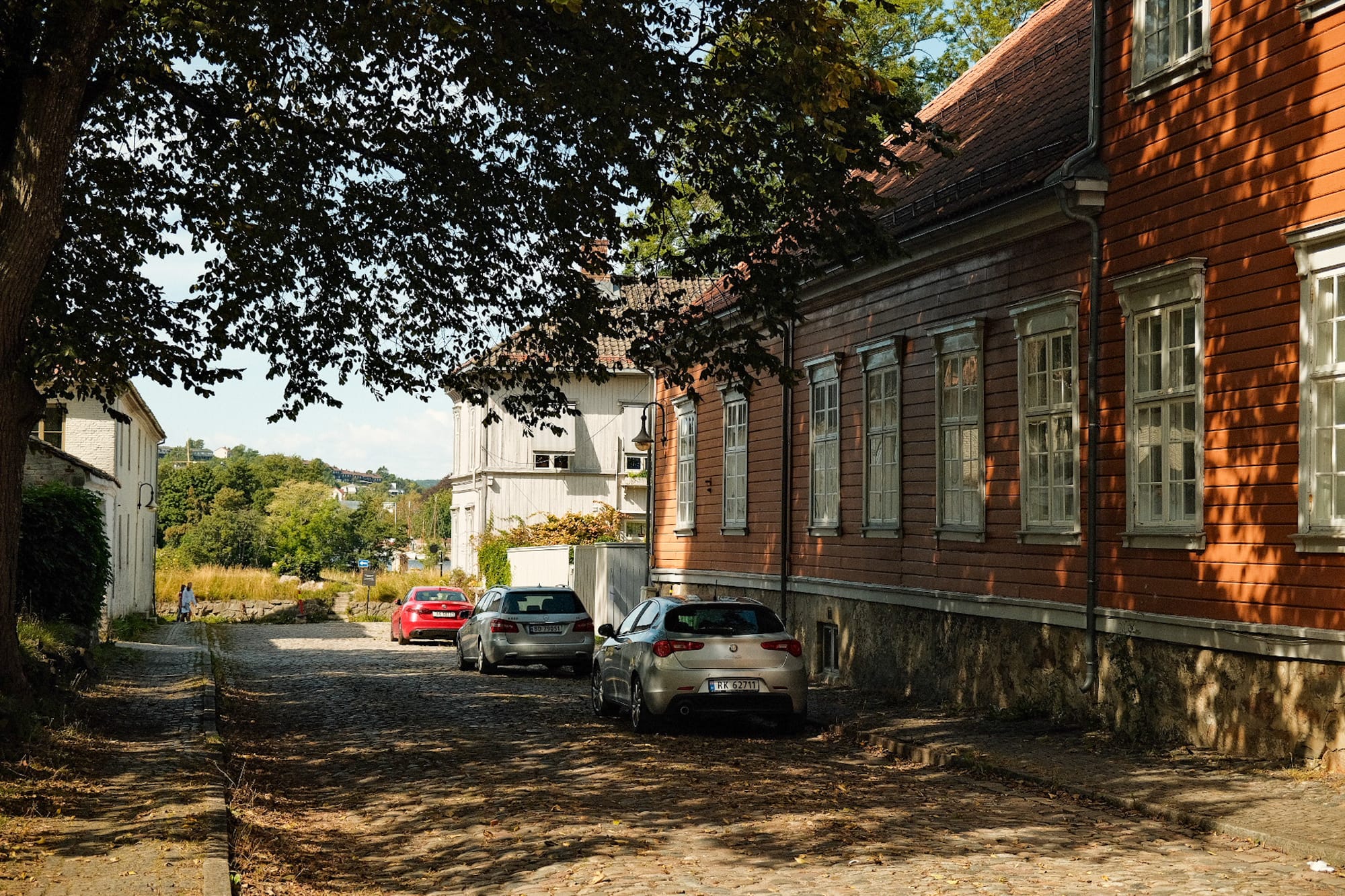
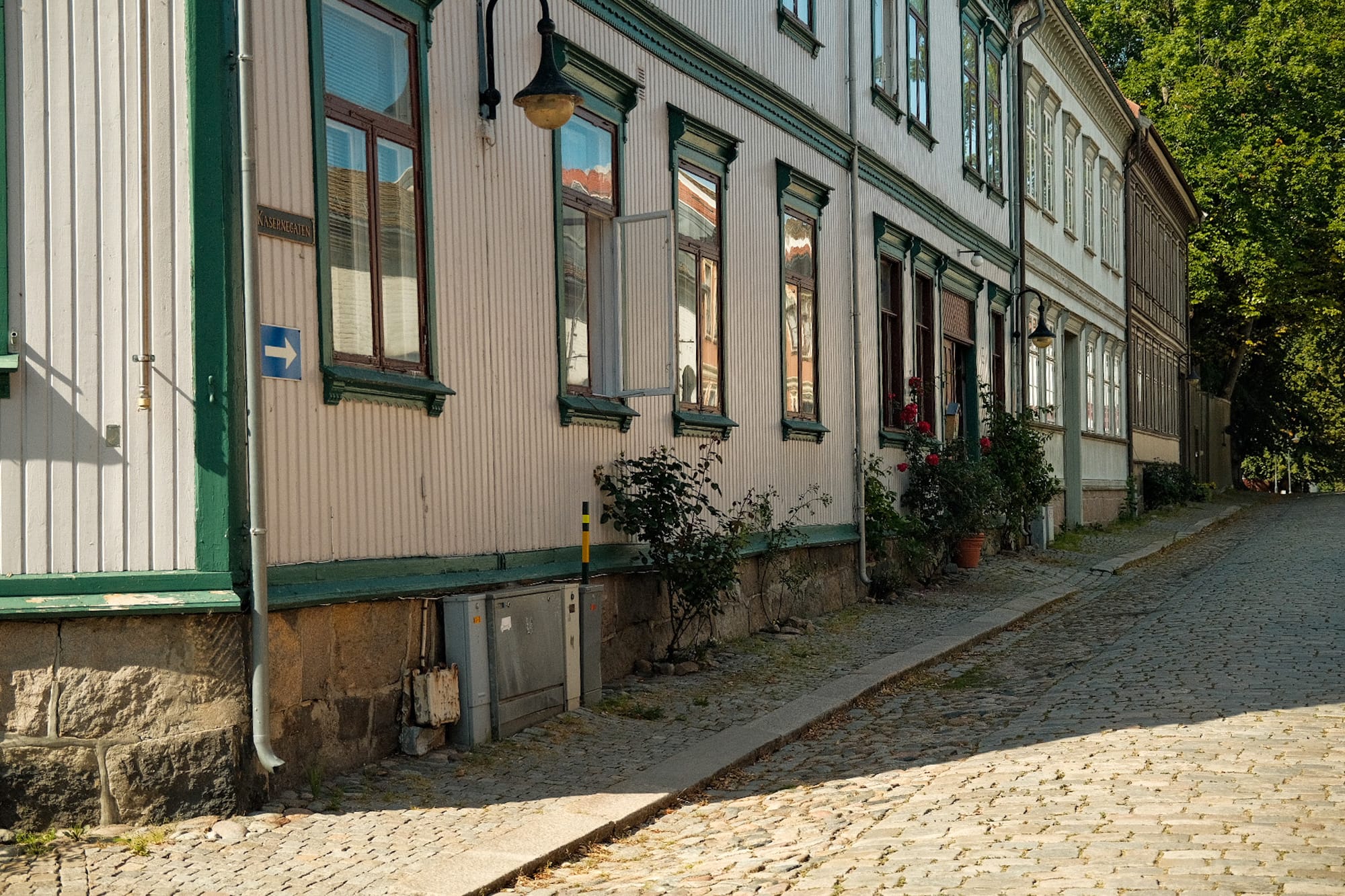
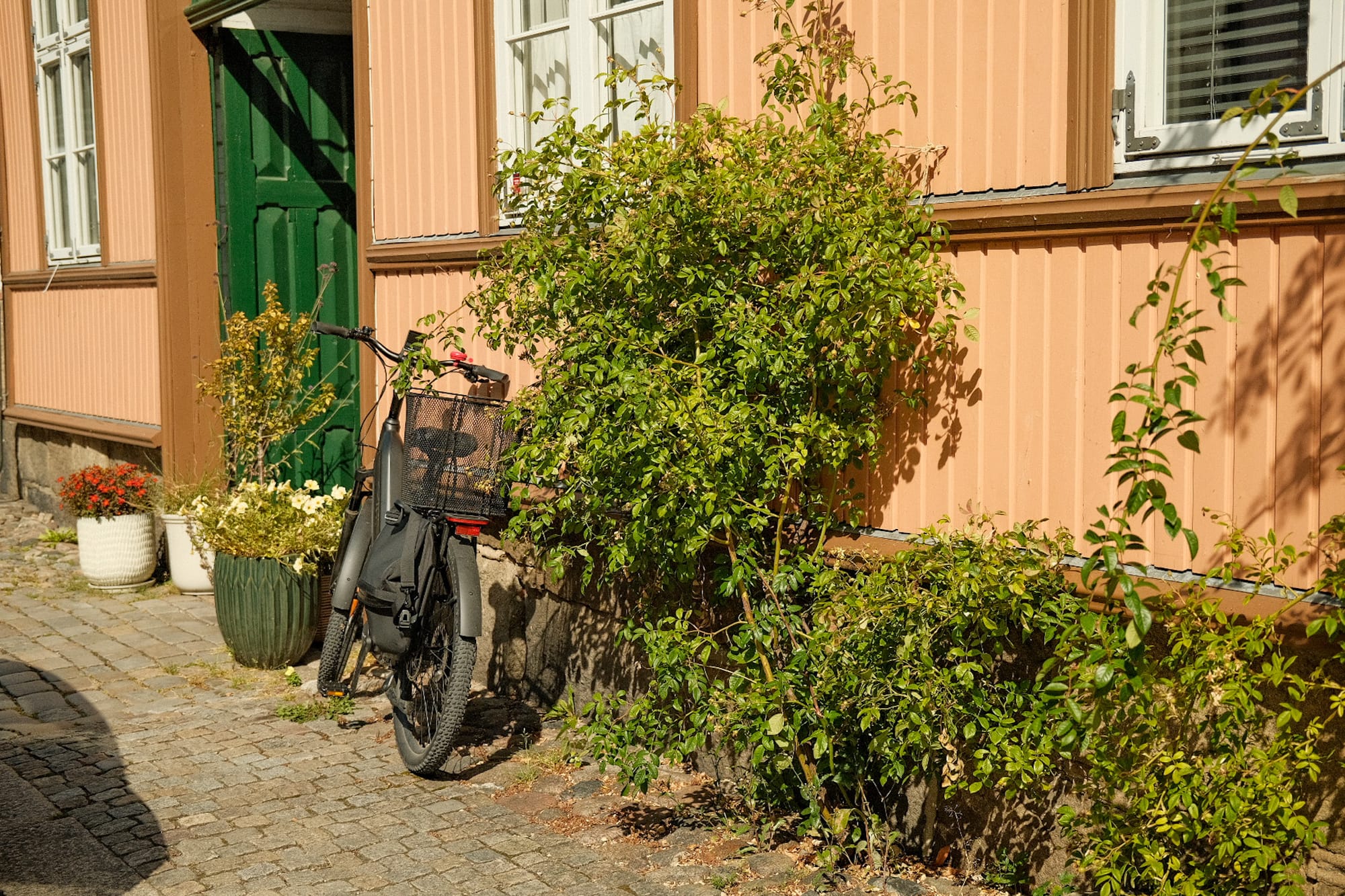
The Old Town of Fredrikstad is exactly such a place. With its cobbled streets, wooden houses and small shops, it is difficult to walk through it at any other pace than the one the town itself seems to suggest. Cars become less important, distances become shorter, and details begin to matter. A doorway, an old sign, a crooked wall or a small courtyard suddenly deserves attention. There is no particular reason to hurry from one attraction to another. The attraction is, in many ways, simply being there.
Fredrikstad was founded by King Frederik II in 1567, making it one of Norway’s older towns. Its creation was a consequence of war. During the Northern Seven Years’ War, Swedish forces burnt the nearby town of Sarpsborg. Rather than rebuilding it in the same place, the inhabitants were allowed to establish a new town farther down the river, Glomma, close to the river’s mouth. The new town was named Fredrikstad after the king himself — in fact, it was the first Norwegian town to be named after a king.
The location was well chosen. The Glomma connected the town with the enormous forest regions further inland, while the river’s mouth opened towards the sea. Trade, timber and shipping could flourish here. But the location also had another, less peaceful advantage: it could be defended.
The old town we recognise today, however, did not appear all at once. The town existed for almost a century before the impressive fortifications surrounding it took their present form.
In 1658, Denmark-Norway lost Bohuslän and Bohus Fortress to Sweden, as presented in another story here at Naive Notions. Suddenly Fredrikstad found itself considerably closer to the new Swedish border. Its military importance increased, and in 1663 work began on a new and much more substantial fortress under the direction of the Dutch-born military engineer Willem Coucheron.
The result was the remarkable landscape that still surrounds the Old Town. Broad, water-filled moats were dug around the settlement. Massive earth ramparts rose behind them, with bastions projecting outwards so that cannons could cover the approaches to the town. The design followed what was known as the Old Dutch system of fortification. Seen from above, its military logic becomes particularly clear: walls, water and grassy embankments form a geometric pattern around the streets and houses within. Fredrikstad remains Norway’s only preserved fortified town and is regarded as one of the most intact fortification systems of its kind in Europe.
There is an interesting contradiction in all this. Much of what today gives Gamlebyen its peaceful character was originally constructed because people feared war. The quiet green ramparts where people now stroll were built to carry guns. The peaceful moat was an obstacle designed to stop attacking soldiers. The gateways that today make such picturesque entrances into the town were places where movement could be controlled and, if necessary, stopped altogether.
Time has a peculiar ability to change the meaning of things. In this town, a defensive wall has become a place for an afternoon walk. A military building has become a gallery, and a street once filled with horses, soldiers and merchants has become a place where we can sit outside a café drinking coffee on a summer morning.
And perhaps this transformation is part of what makes old places so appealing. It would, of course, not be as inviting if we were soldiers on the brink of losing our lives in a deadly conflict, or we were struggling for our lives with too little to eat. Perhaps we need a certain detachment from the origin to appreciate such places in their own right.
The history of Fredrikstad’s fortress is, fortunately, considerably less dramatic than its appearance might suggest. Despite its imposing defensive system, the fortress was attacked only once. During the short Swedish-Norwegian war of 1814, Swedish forces bombarded Fredrikstad. The fortress was by then old, inadequately maintained and poorly defended, and after only a few hours the Norwegian garrison surrendered.
After Norway entered into union with Sweden that same year, the military situation changed. The old border fortresses gradually lost much of the strategic importance that had justified their construction. Fredrikstad Fortress was formally decommissioned in 1903, although the Old Town continued to function as a garrison town for almost another hundred years. The last soldiers left in 2002.
What they left behind was something rather unusual: not a ruined fortress or an archaeological site, but a living part of a town.
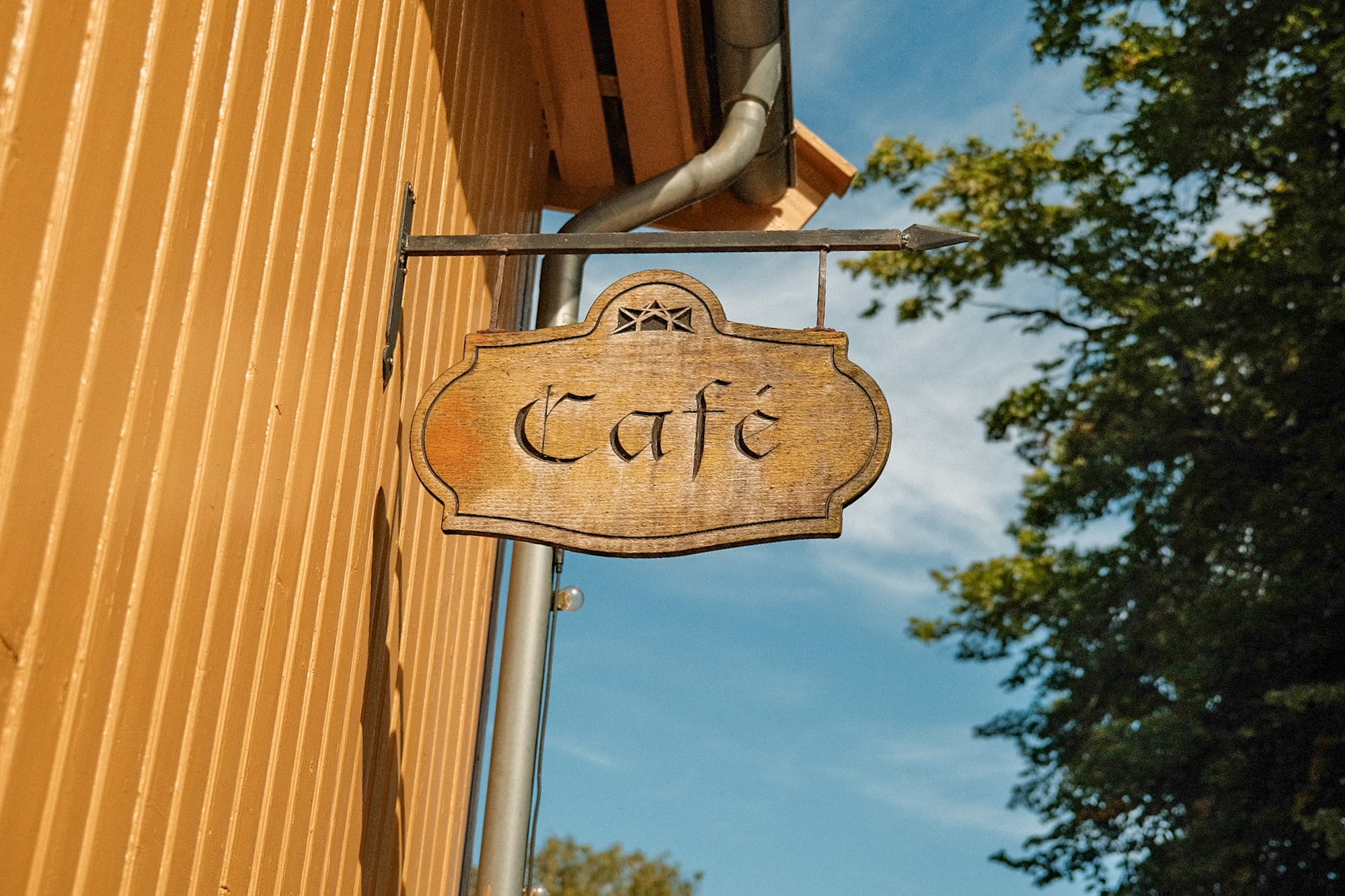
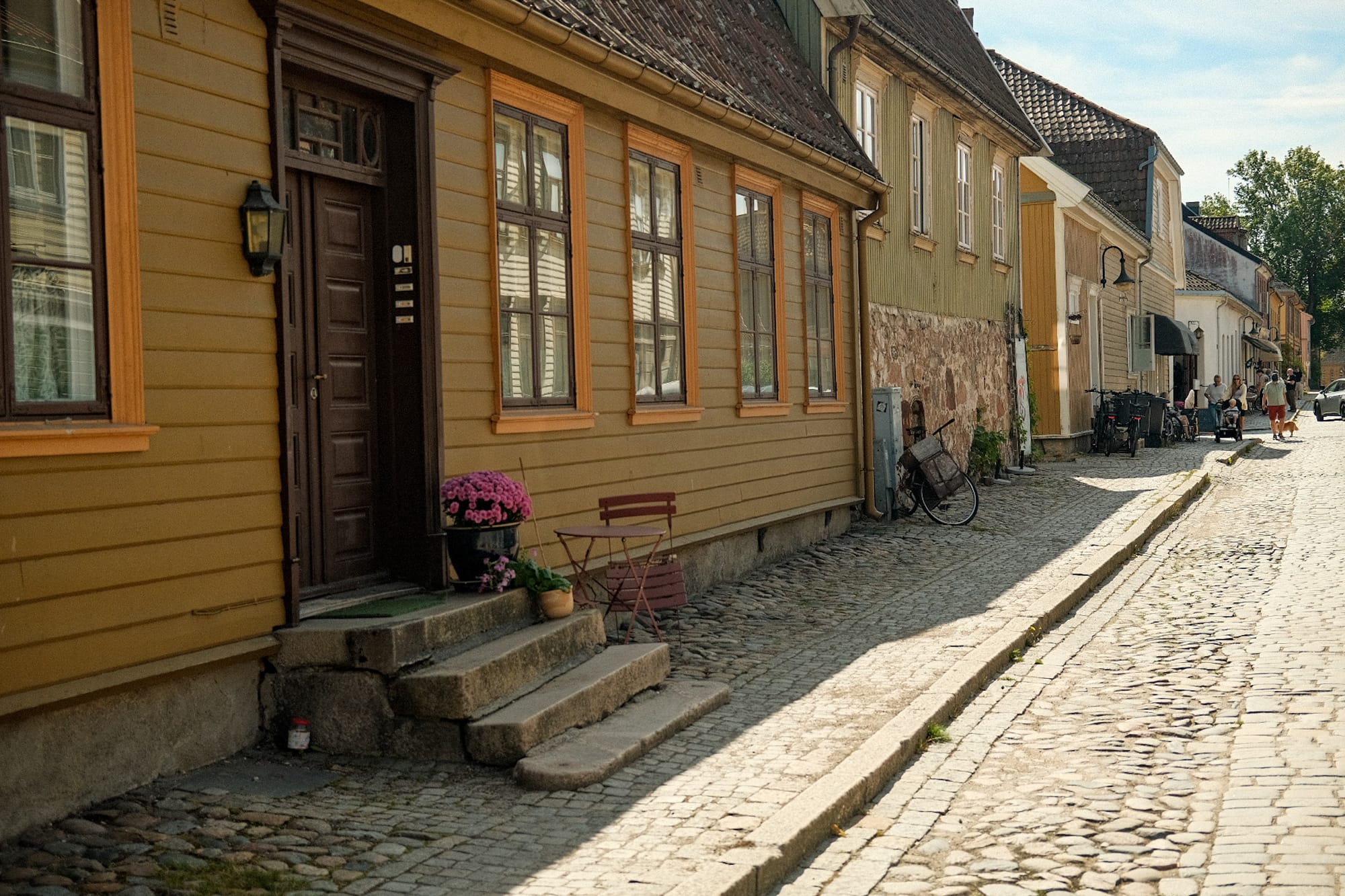

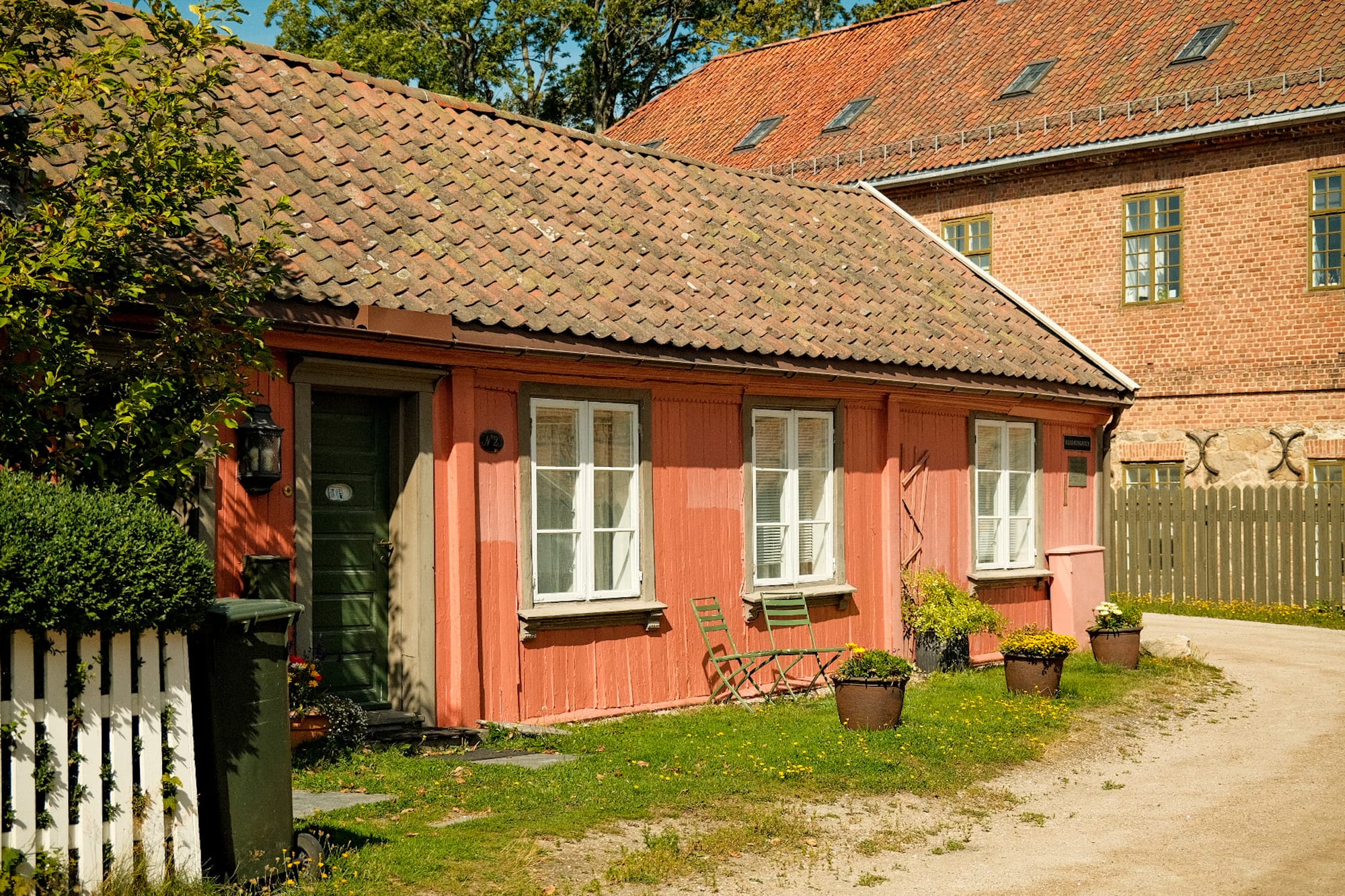
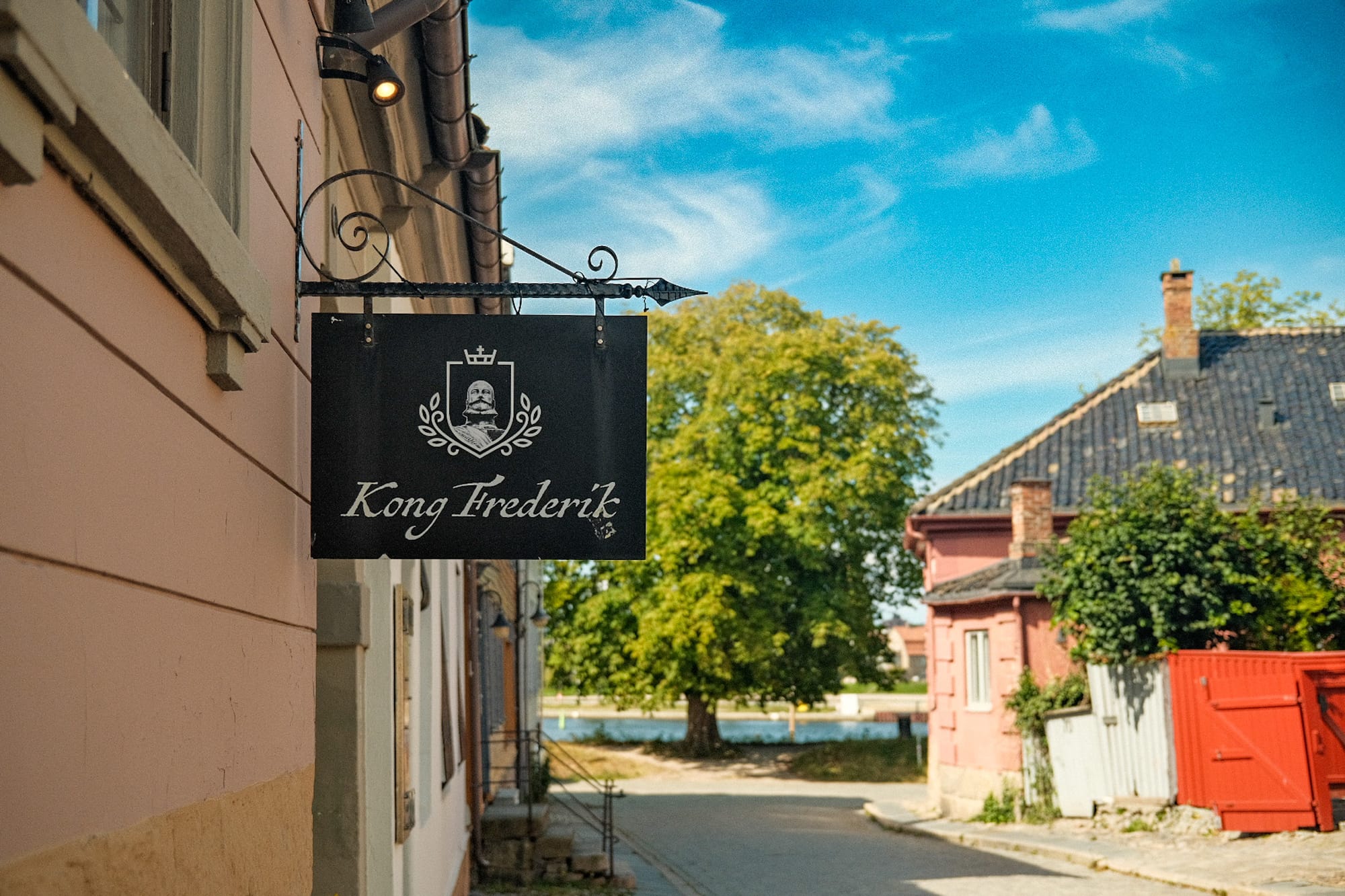
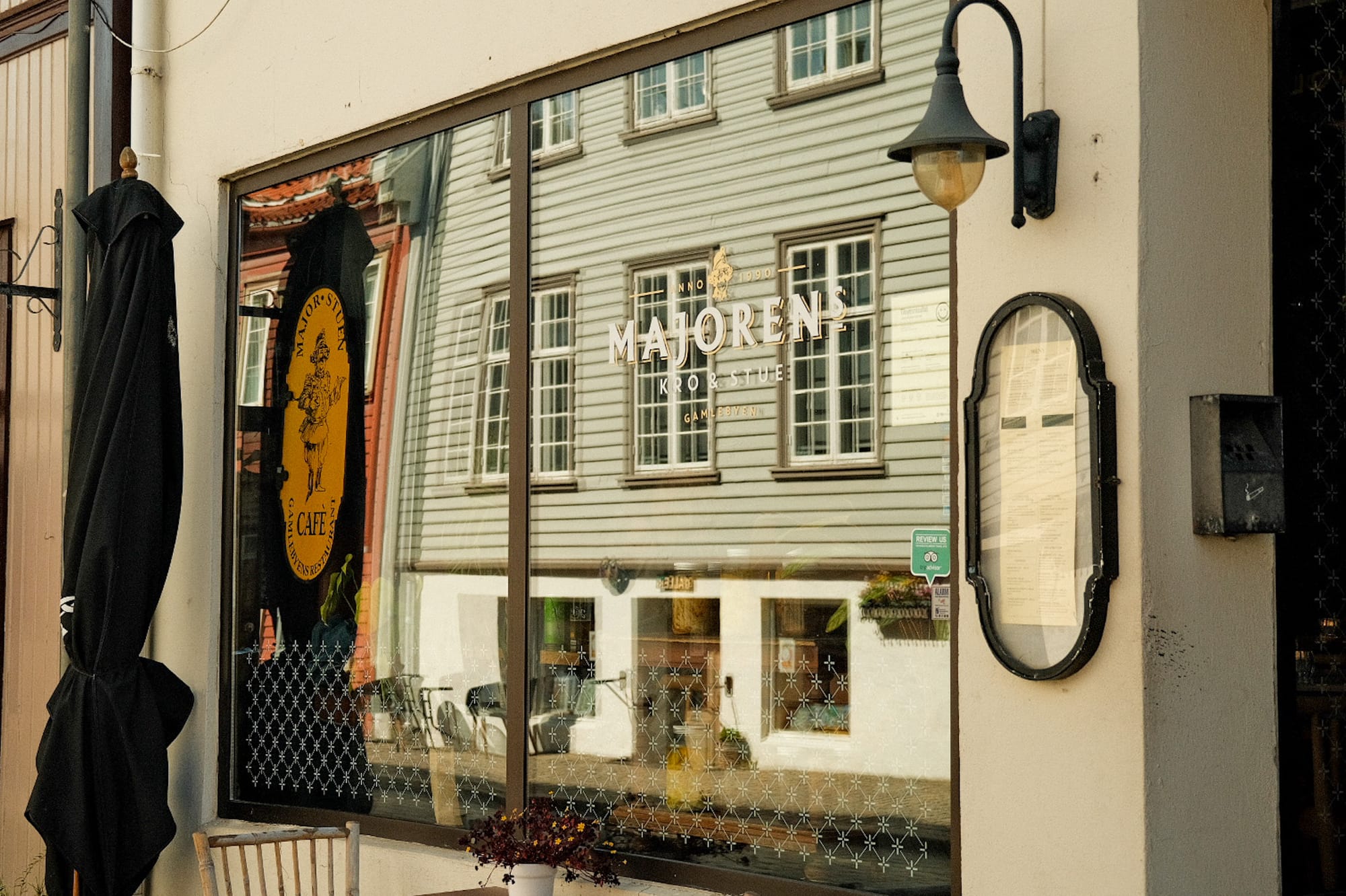
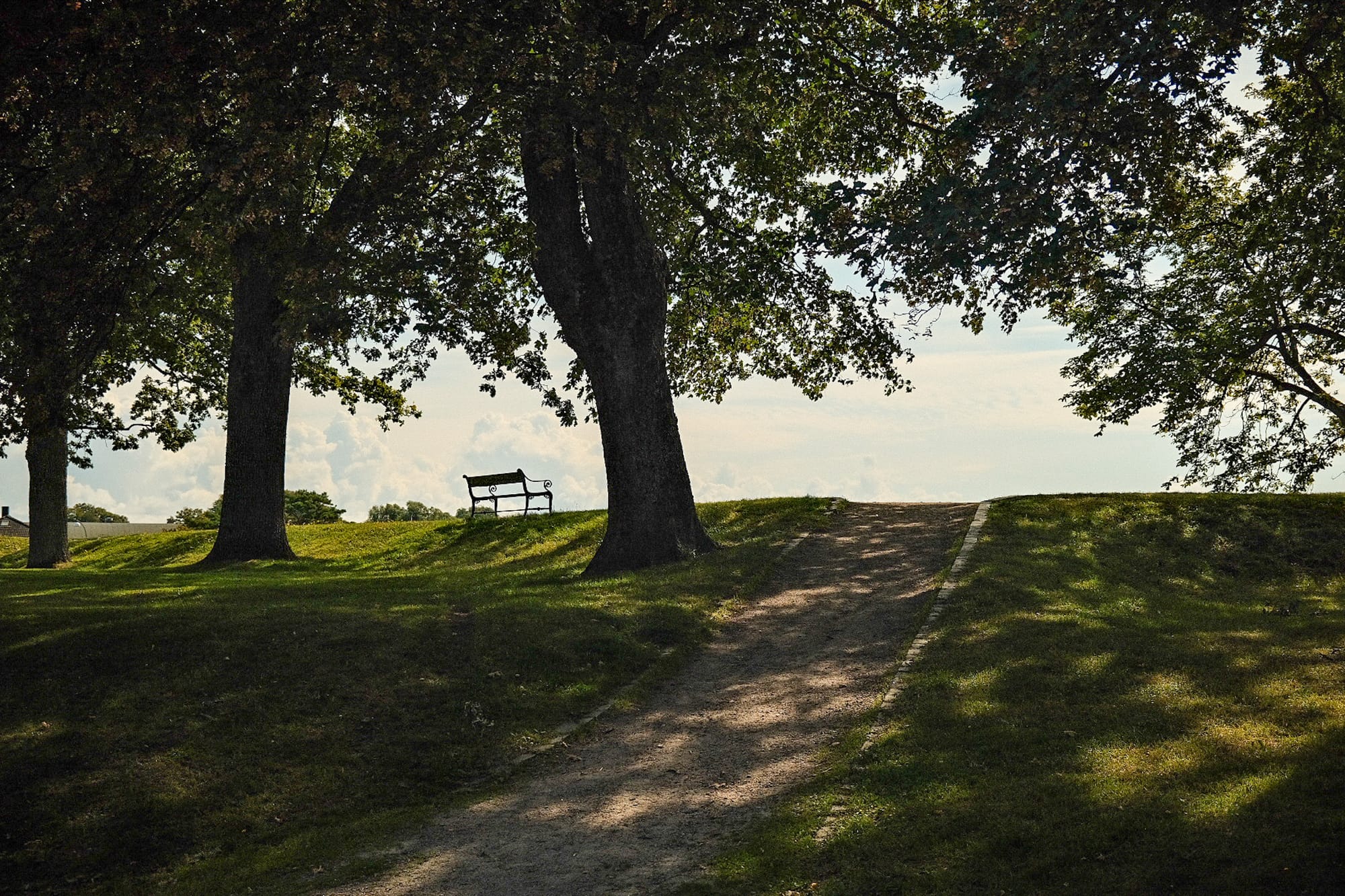
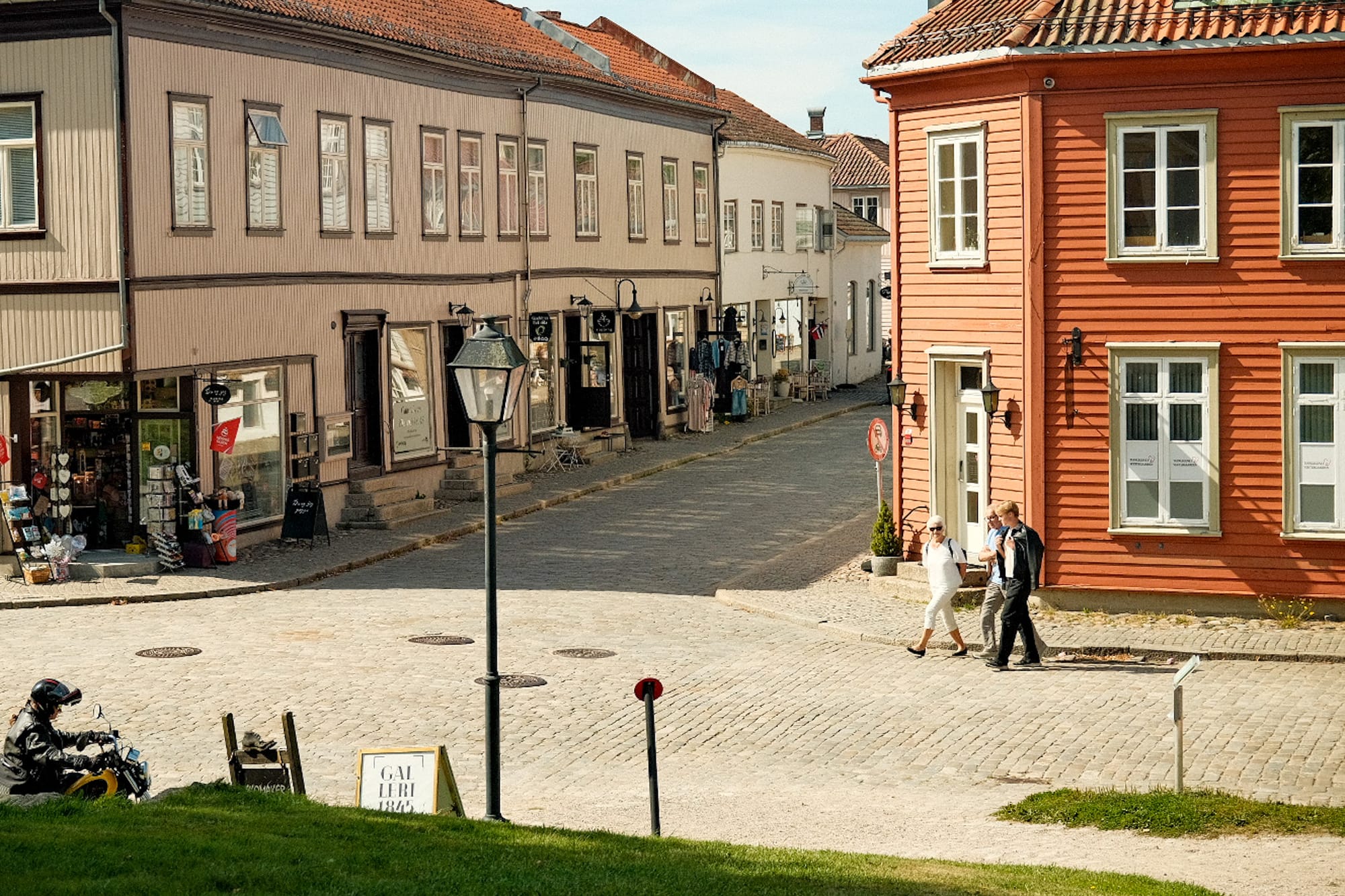
Today Gamlebyen contains cafés, workshops, galleries, museums, restaurants, small shops and private homes. The fortifications remain around it, but everyday life goes on inside them. This may be one of the reasons the place feels different from historical sites that have been preserved primarily as museums. Here, people still live, and prevent the town from becoming just an exhibition of itself.
And, it has to be admitted, there are certainly grander historical places in Europe. There are mediaeval centres with larger churches, more spectacular palaces and far older buildings. Still, there is something charming about this little old town. The streets, houses, gates, fortress walls, trees and waterways still belong together, in a way. The relationship between them has survived. There is still this community of ordinary people here, to be noticed.
Gamlebyen in Fredrikstad was created by war, trade, military strategy and political necessity. More than four and a half centuries later, these circumstances have produced something its founders could hardly have anticipated: a remarkably peaceful corner of the modern world.
One enters through the old gates, crosses the cobblestones and, almost without noticing it, begins to walk a little slower. I find it fascinating that the place never ceases to affect me every time I visit.